
Why Material Quality Matters
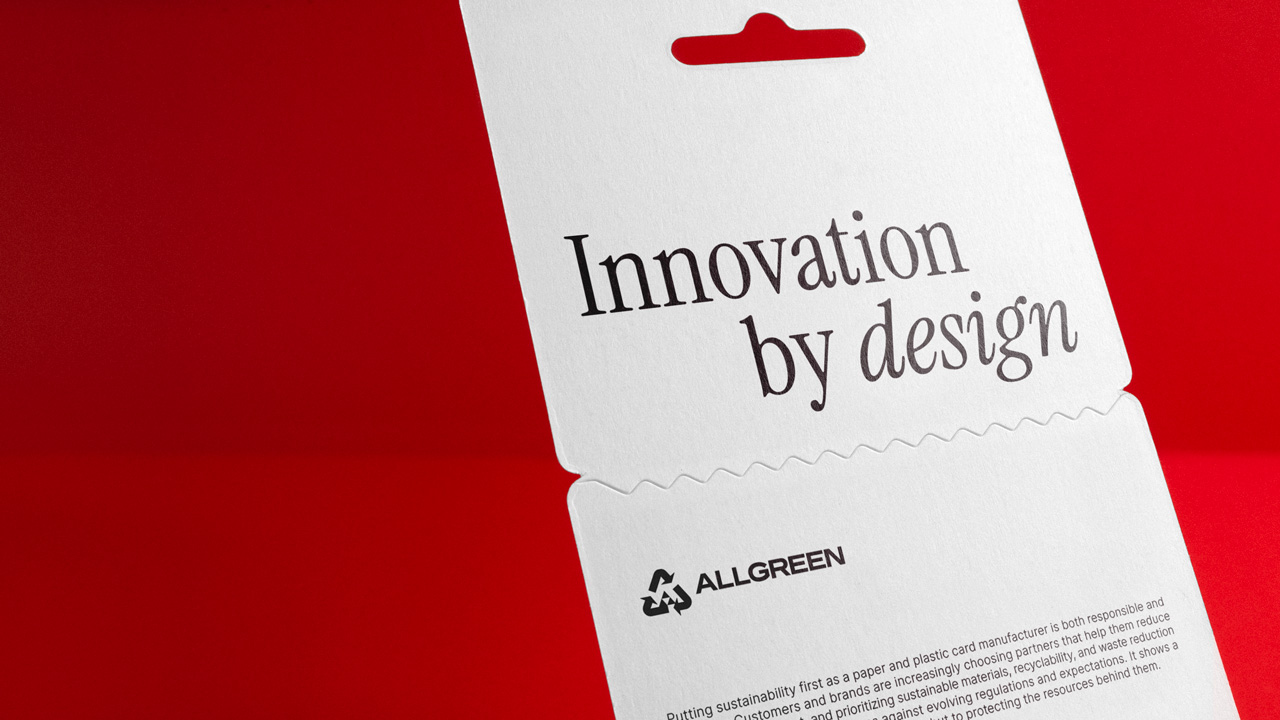
A card may look simple, but the material it is printed on plays a major role in how it performs over time. Cards are expected to withstand repeated use while maintaining their appearance, functionality, and brand impact, that is why material quality matters. The right substrate can help a card resist everyday wear and tear, protect printed graphics, and maintain its professional appearance long after it leaves the production floor.
At Allcard, we manufacture durable cards using high-quality PVC substrates and specialized print methods designed for applications where longevity and presentation matter.
The Substrate Is the Foundation of a Durable Card
The substrate is the material that the card is printed on, and it provides the foundation for everything that follows. While printing technology and finishing techniques can enhance a card's appearance, the substrate ultimately contributes to its strength, flexibility, and ability to withstand everyday handling.
Plastic cards made with PVC have become a common choice for applications where durability is important. Unlike paper, PVC is designed to withstand repeated handling, bending, moisture, and the general wear that comes with being carried in a wallet, displayed in a retail environment, or used repeatedly at a point of sale.
Paper has its advantages and remains an excellent choice for many printed applications. However, when a card is expected to have a longer usable life, a plastic substrate can offer a significant advantage.
PVC vs. Paper: Choosing the Right Material for the Application
Paper cards can be cost-effective and are well suited to short-term applications, promotional pieces, temporary credentials, and products where the card is not expected to experience extensive handling.
PVC offers a different level of performance. Its inherent durability makes it better suited to cards that need to remain functional and visually appealing through repeated use. A PVC card is less susceptible to the creasing, tearing, and moisture damage that can affect paper products.
This difference becomes particularly important for gift and loyalty cards.These cards may be handled dozens or even hundreds of times throughout their lifecycle. They can move between retail displays, wallets, pockets, checkout counters, and payment or scanning systems. The material needs to keep up with that journey.
A card that becomes damaged, faded, cracked, or difficult to scan can createa poor experience for the customer and reflect poorly on the brand behind it.
Durability Is Part of the Customer Experience
Material quality may be something a customer never consciously considers, but they can certainly notice when a card doesn't hold up.
A durable card feels substantial in the hand. It can withstand everyday use without quickly showing signs of damage. For gift cards, loyalty cards, membership cards, and similar products, that durability becomes part of the overall customer experience.
There is also a brand consideration. A well-made card can reinforce the perception that a company pays attention to quality. When the physical product remains attractive and functional over time, it continues to represent the brand long after the original transaction.
In this sense, choosing a durable substrate is not simply a manufacturing decision. It is part of creating a better product.
Recycled PVC: A More Sustainable Material Option
Durability and sustainability do not necessarily have to be opposing priorities. For organizations looking to reduce their reliance on virgin plastic while maintaining the performance characteristics of a plastic card, recycled PVC can provide an alternative.
Allcard also manufactures cards using recycled PVC materials. This allows brands to consider a more sustainable material option while still benefiting from the durability and functionality associated with PVC cards.
For programs producing cards at scale, material selection can be an important part of a broader sustainability strategy. Choosing recycled PVC can help brands reduce the amount of new plastic used in their card programs without moving away from the performance characteristics their applications require.
The right choice will depend on the application, design requirements, program objectives, and sustainability goals. What matters is having material options that allow those considerations to be part of the conversation from the beginning.
Better Materials Create Better Cards
A durable card starts with the material. While printing technology, finishing, and design all contribute to the final product, the substrate provides the foundation for how that card will perform in the real world.
For applications that demand longevity, PVC provides a durable and versatile alternative to paper. Combined with appropriate printing methods and manufacturing expertise, it can produce cards that maintain their appearance and functionality through repeated use.
And for brands looking for a more sustainable approach, recycled PVC offers another option to consider.
Whether the priority is durability, presentation, sustainability, or a combination of all three, material selection should never be an after thought. The right substrate can make the difference between a card that simply looks good and one that is built to last.