
Perceived Value and Print
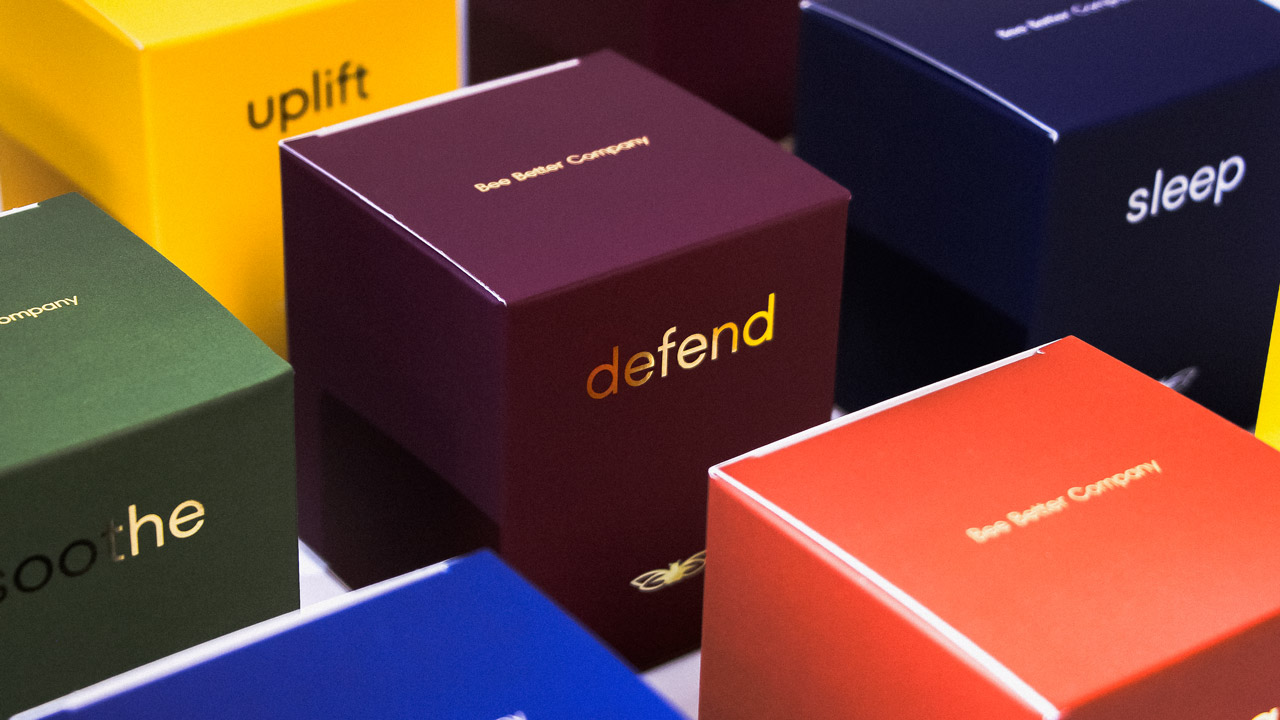
Perceived Value: How Print Enhancements Make Products Feel Premium.
When customers pick up a product, they are evaluating more than what is inside the package. Before they read the label, compare features, or try the product, they are already forming an impression based on what they can see and feel.
This is where perceived value comes into play.
Perceived value is the sense of worth a customer associates with a product based on their overall experience with it. While factors such as quality, reputation, and price all contribute to that perception, packaging and printed materials can have a surprisingly powerful influence. A thoughtfully designed package can make a product feel more premium, more trustworthy, and more worth the price.
Print embellishments are one way brands can take that perception even further.
What Is Perceived Value?
Perceived value is not necessarily the same as a product's actual cost or manufacturing value. It is about what the customer believes the product is worth.
Consider two products sitting side by side on a retail shelf. Both may contain similar products and have similar production costs, but one may have a more refined package, distinctive finishes, or tactile details that immediately make it feel more premium. That difference can influence which product catches the customer's attention and, ultimately, which one they choose.
In a crowded marketplace, these small visual and physical cues can make a significant difference.
Packaging is often the first physical interaction a customer has with a brand. Before a product can demonstrate its quality, its packaging has already started telling the story.
Why Print Matters
Good design creates recognition, but print production can bring that design to life.
The choice of paper, colour, finish, texture, and printing process all contribute to how a printed product looks and feels. A matte finish can create a sophisticated, understated appearance. A textured stock can make a package feel more substantial. A glossy finish can add vibrancy and visual impact.
Then there are embellishments.
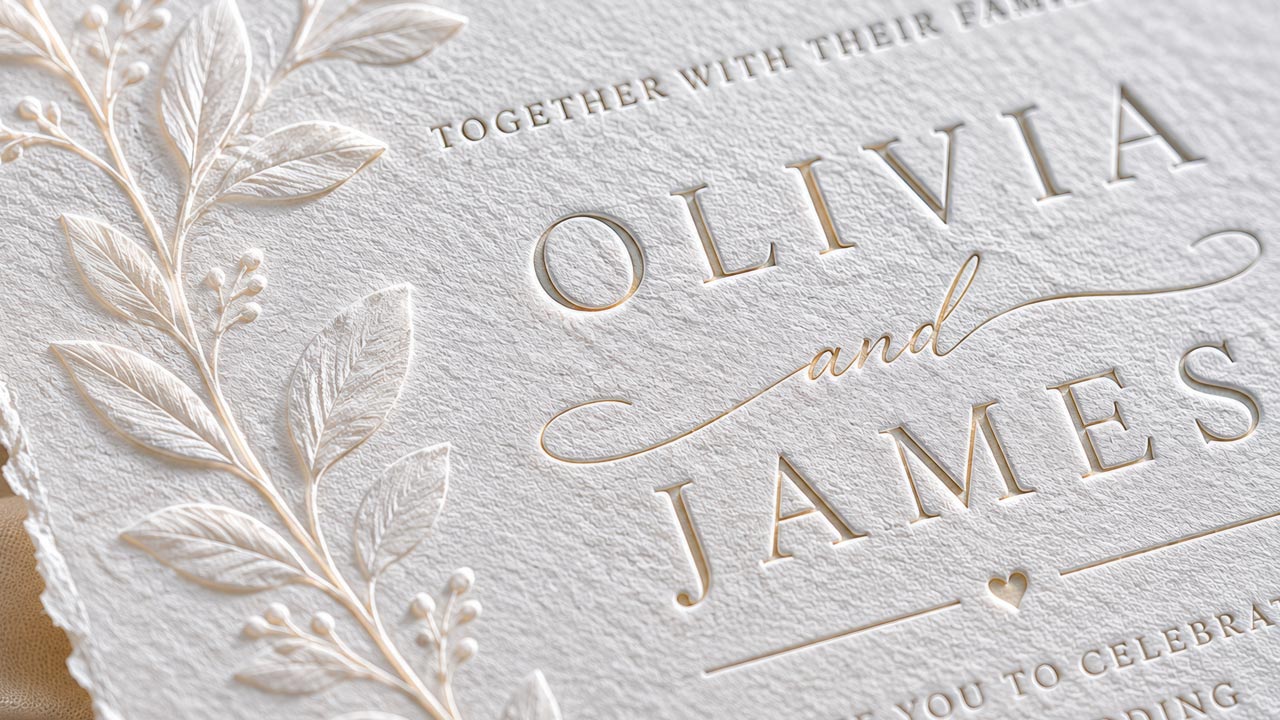
Techniques such as foil, embossing, debossing, spot finishes, and specialty coatings can introduce additional visual and tactile elements to a printed piece. Rather than simply displaying information, the package becomes something customers can see, touch, and experience.
That physical interaction can reinforce theidea that the product itself is worth paying more for.
Small Details Can Make a Big Impression
The most effective embellishments do not necessarily cover an entire package. In many cases, restraint is what makes them work.
A subtle foil treatment on a logo can draw attention to the brand without overwhelming the design. A raised or recessed element can give a package a tactile quality that customers notice when they pick it up. A selective gloss finish can highlight specific design elements and create contrast against a matte surface.
These techniques give designers another way to establish hierarchy and direct attention.
More importantly, they can create a sense of intentionality. When a customer notices that certain elements have been given special treatment, it can communicate that thought and care went into the product as a whole.
The Power of Touch
Visual appearance is only part of the equation. Touch can also play an important role in perceived value.
A package that feels substantial, textured, smooth, soft, or dimensional creates a different experience from a package that is visually flat and purely functional. Tactile finishes can make a product more memorable because they give the customer something to physically experience.
This is particularly valuable in environments where customers are surrounded by competing products. On a retail shelf, packaging has only a moment to capture attention. A distinctive visual treatment can help a product stand out, while a tactile element can give the customer another reason to pick it up and explore it.
In this way, print can become part of the product experience rather than simply a method of communicating information.
Premium Does Not Mean Overdone
Creating perceived value is not about adding as many effects as possible. In fact, excessive embellishment can have the opposite effect.
The goal is to make the printing techniques work with the design rather than compete with it. A carefully selected finish can create more impact than several competing effects. The right technique depends on the brand, the product, the audience, and the experience the packaging is meant to create.
For some brands, that might mean a restrained metallic foil. For others, it could be a tactile coating, dimensional effect, or subtle contrast between finishes.
The best embellishments feel purposeful. They give customers a reason to notice, touch, and remember the package.
Turning Print Into an Experience
Printed packaging has always served a practical purpose: protect the product, provide information, and help the brand communicate with customers. But modern print capabilities allow packaging to do much more.
Embellishments can turn a printed surface into an experience. They can create contrast, highlight important details, reinforce brand personality, and influence how customers interpret the quality of what is inside.
Ultimately, perceived value starts before the product is ever used. It begins with the first impression.
When design and print production work together, even small details can make a product feel more distinctive, more premium, and more valuable. And in a marketplace where first impressions matter, that extra perception can go a long way.