
Digital vs Offset Printing
When it comes to commercial printing, choosing the right printing process can have a significant impact on your project's cost, turnaround time, quality, and overall results. Two of the most common options are digital printing and offset printing.
While both processes can produce high-quality printed materials, they work differently and are suited to different types of projects. Understanding the difference between digital and offset printing can help you determine which approach makes the most sense for your next print job.
How Does Digital Printing Work?
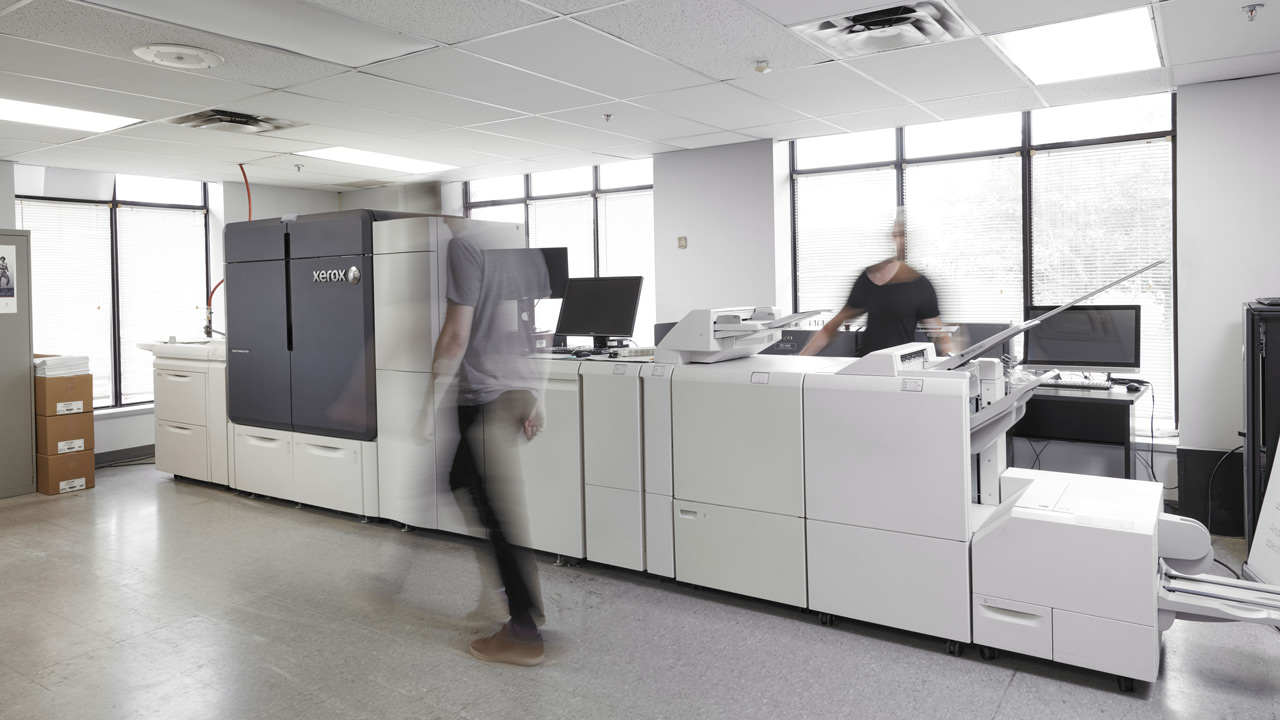
Digital printing is a direct-to-print process. Rather than using printing plates, a digital press takes a digital file and transfers the image directly onto the chosen substrate.
Because there is little setup required, digital printing can move from artwork to finished product relatively quickly. This makes it particularly useful when a project has a tight deadline or when the quantity being produced is relatively small.
Another major advantage of digital printing is its ability to handle variable data. Because each piece is generated from a digital file, individual pieces can contain different names, addresses, images, or other information. This makes digital printing especially useful for personalized marketing campaigns and direct mail.
For businesses that need flexibility, personalization, or a quick turnaround, digital printing can be an efficient solution.
How Does Offset Printing Work?
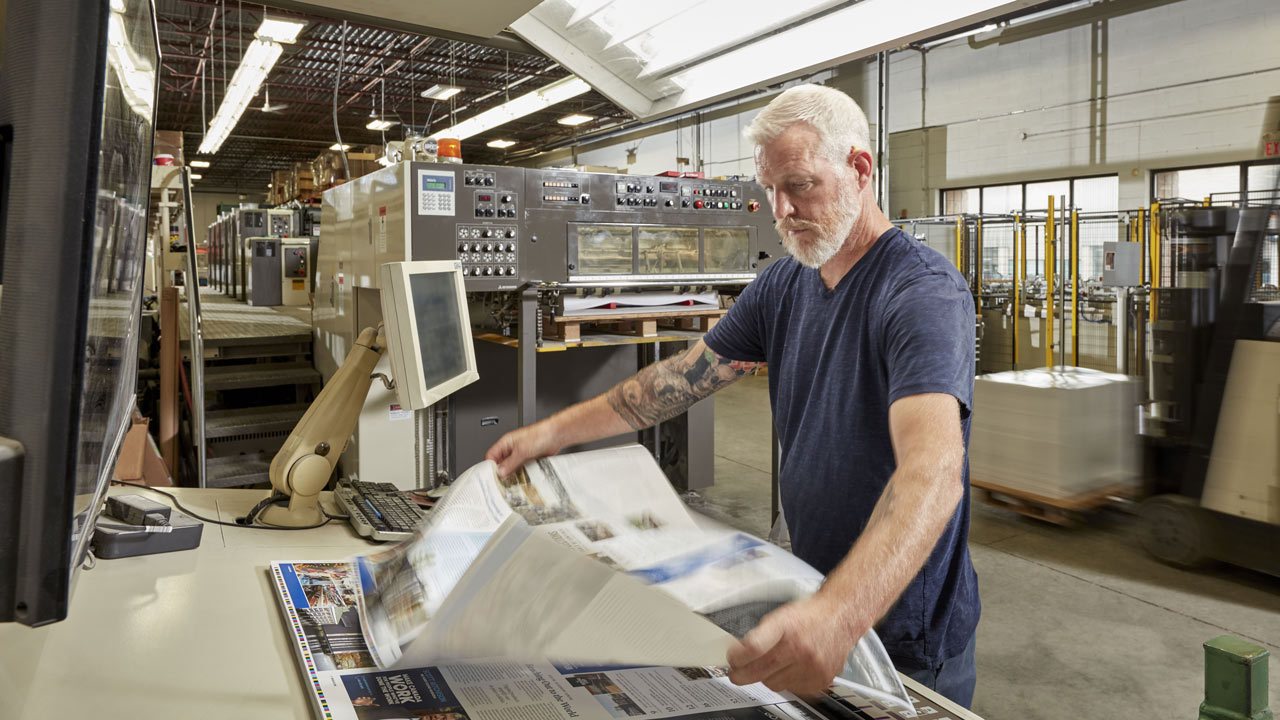
Offset printing uses a more traditional process. Instead of transferring an image directly from a digital file to the paper, the artwork is transferred onto printing plates. The plates then transfer the image to a rubber blanket before it is applied to the final substrate.
This additional setup takes more time, but it provides significant advantages when producing larger quantities. Once an offset press is running, it can efficiently produce large volumes while maintaining consistent colour and image quality throughout the run.
Offset printing also provides extensive control over colour and substrate options, making it a popular choice for high-volume commercial printing, brochures, booklets, catalogues, packaging, and other projects where consistency and presentation are important.
What Is The Difference Between Digital & Offset?
The biggest difference between digital and offset printing comes down to how the image gets onto the printed material.
Digital printing works directly from a digital file, which minimizes setup and makes the process highly flexible. Offset printing uses plates, which requires more preparation but becomes increasingly efficient as the quantity of a job increases.
This difference can have a direct impact on the economics of a print project. Digital printing often makes sense for shorter runs because there is minimal upfront setup. With offset printing, the initial setup is more involved, but the cost per piece can become more competitive as the quantity increases.
The choice isn't simply about which process produces a better result. Both can produce excellent quality. Instead, the right choice depends on the specific requirements of the project.
Which Process Is Right For You?
There isn't a universal answer to whether digital or offset printing is better. The right choice depends on the specifics of the project.
Quantity is one of the most important considerations. A shorter run may be better suited to digital printing, while a larger-volume project may benefit from the efficiencies of offset.
Turnaround time can also influence the decision. If a project needs to move from artwork to finished product quickly, digital printing may provide the speed and flexibility required. If the project is planned well in advance and involves a large quantity, offset printing may be the more efficient option.
Personalization is another important factor. If every printed piece needs to contain unique information, digital printing offers significant advantages.
And then there are the physical requirements of the project. The substrate, colour specifications, finishing requirements, and final application can all influence which printing process makes the most sense.
Which Process Do You Choose?
Choosing between digital and offset printing isn't about choosing the newest or most advanced technology. It's about choosing the process that best fits the job.
An experienced commercial printer can look at the complete picture—including quantity, artwork, substrate, colour requirements, timeline, finishing, and budget—and recommend the most efficient approach.
At Allcard, we work across a range of commercial printing applications, helping businesses take projects from initial artwork through production and finishing. Whether a project calls for the flexibility of digital printing or the efficiency of offset printing at scale, the goal is the same: deliver the right result, using the right process, for the job.
Because great printing isn't just about putting ink on paper. It's about knowing how to produce the best result for what you're trying to accomplish.